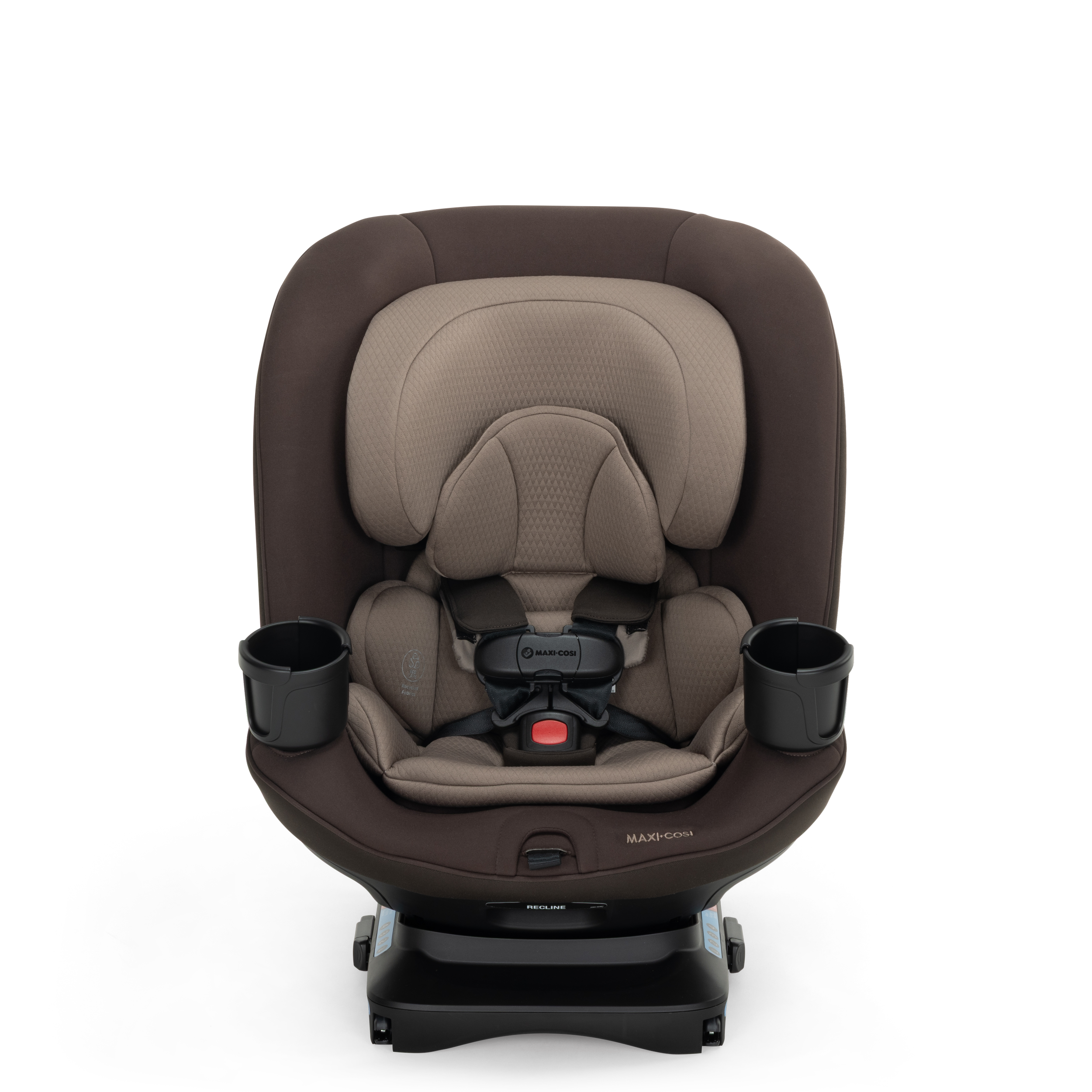
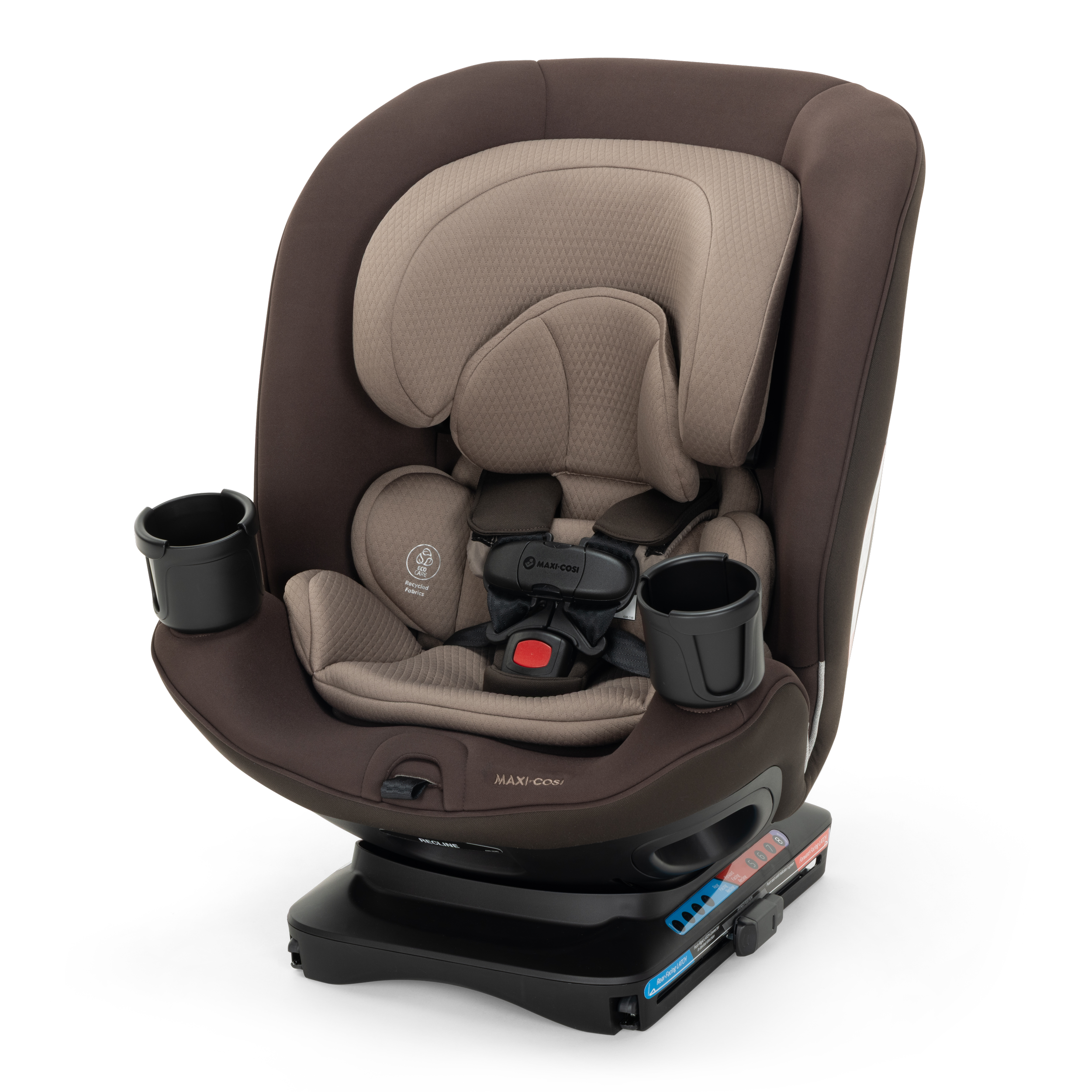
Sela
convertible car seat
industrial design // juvenile // automotive-
Design Lead. Developing the concept and visuals from initial sketch to final production.
-
Dec 2023 - July 2026
~3 year development from initial sketches to shipped product in stores.
-
Technical: Concept Sketching // Technical Documentation // Surface CAD // Design for Manufacture // Technical Documentation // Surface CAD // Design for Manufacture // CMF Specification
Process: Visual Brand Language Development // UX Research // Human Centered Design // Prototyping // Problem Solving
Interpersonal: Team Leadership // Supplier Communication //Cross Functional Alignment
-
MaxInf R&D Team [Supplier] Nathan Heisey, Jacob Bailey, Otis Zheng & Bruce Li [Key Engineering Partners] Carla Francesshi-Green, Shannon Fineout and Denice Kresker [CMF/ Softgoods] Grant Mason [Design Director/ Collaborator] Trevor LaRochelle [bouncing ideas + belt path]
Shoutout the whole ID team for giving me feedback, guidance along the way
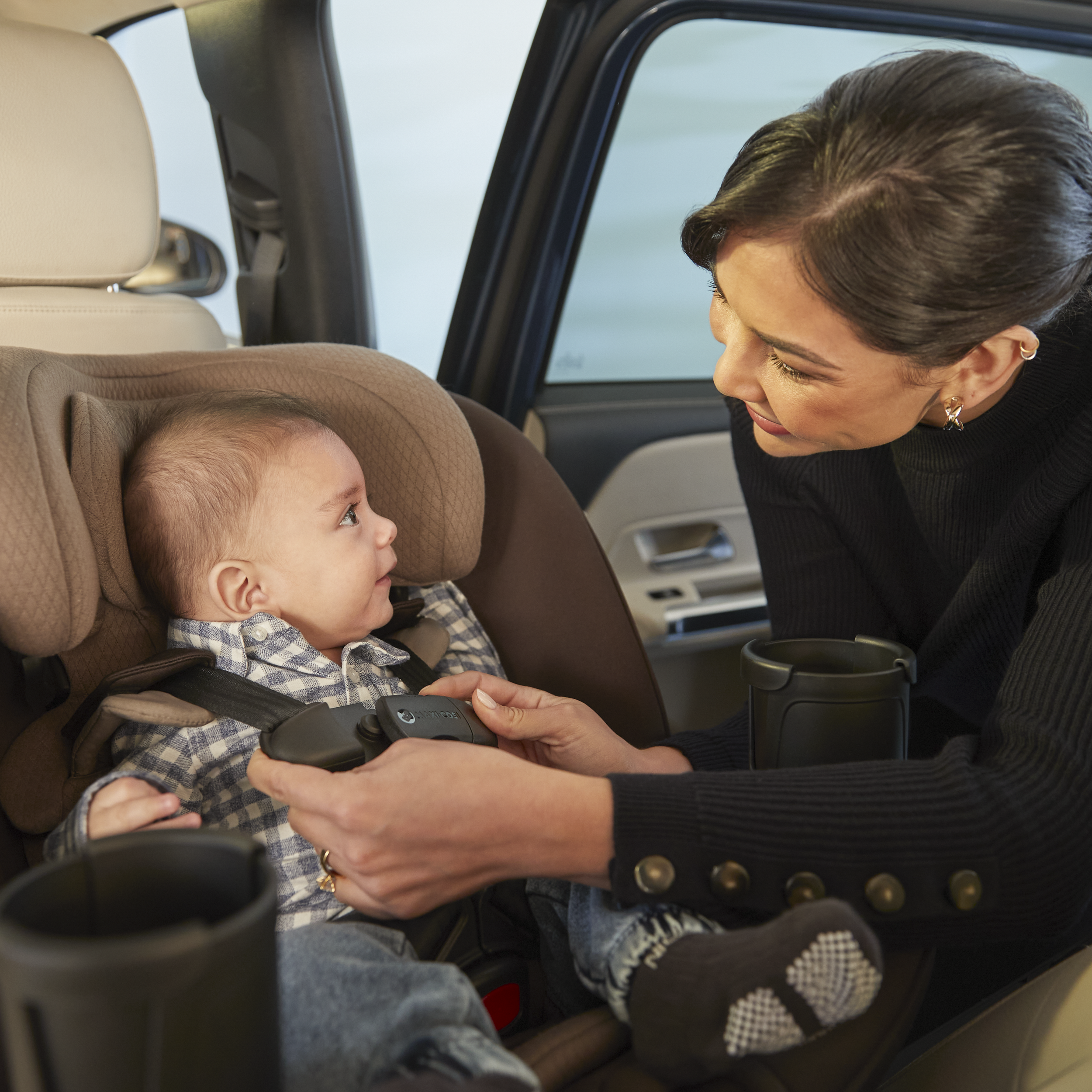
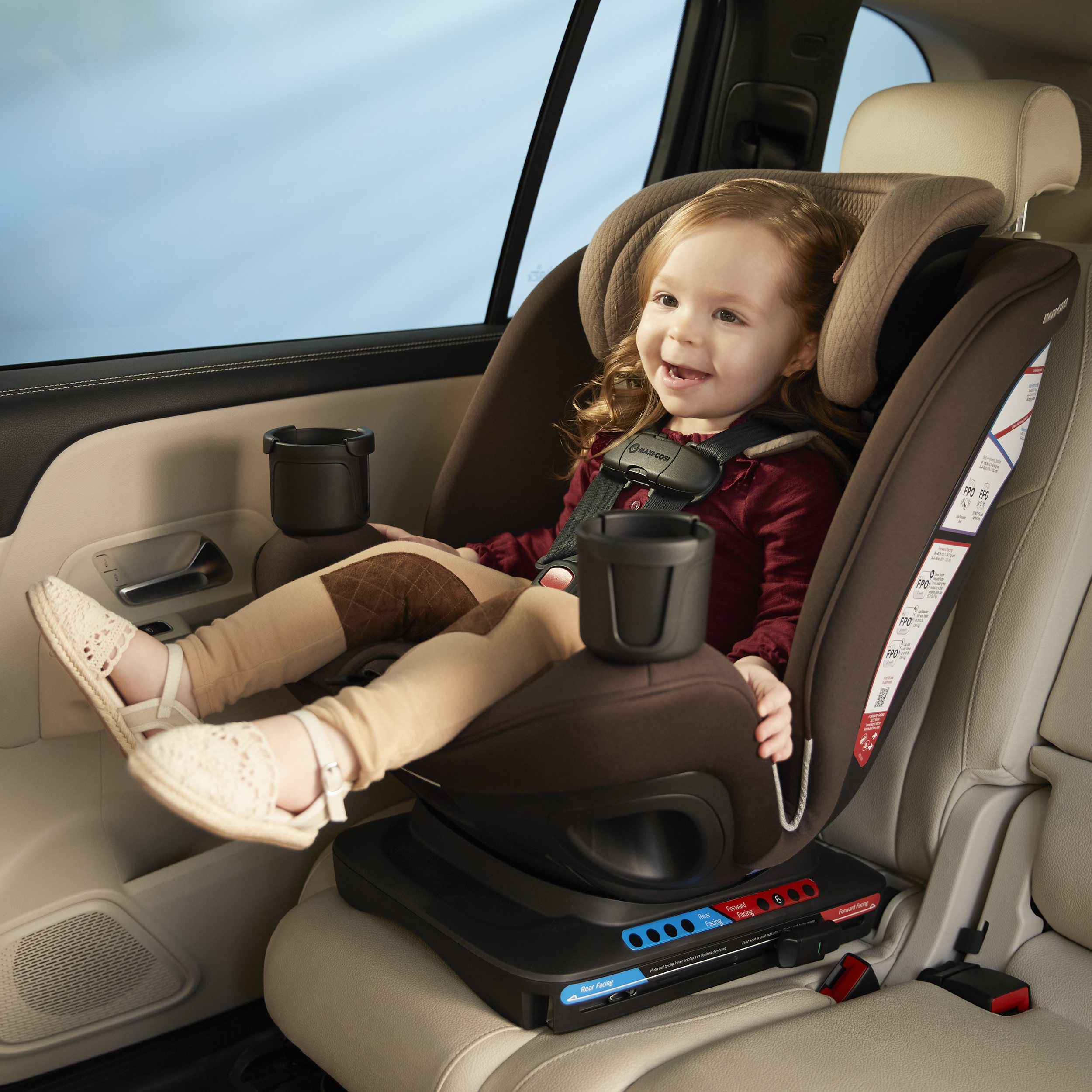
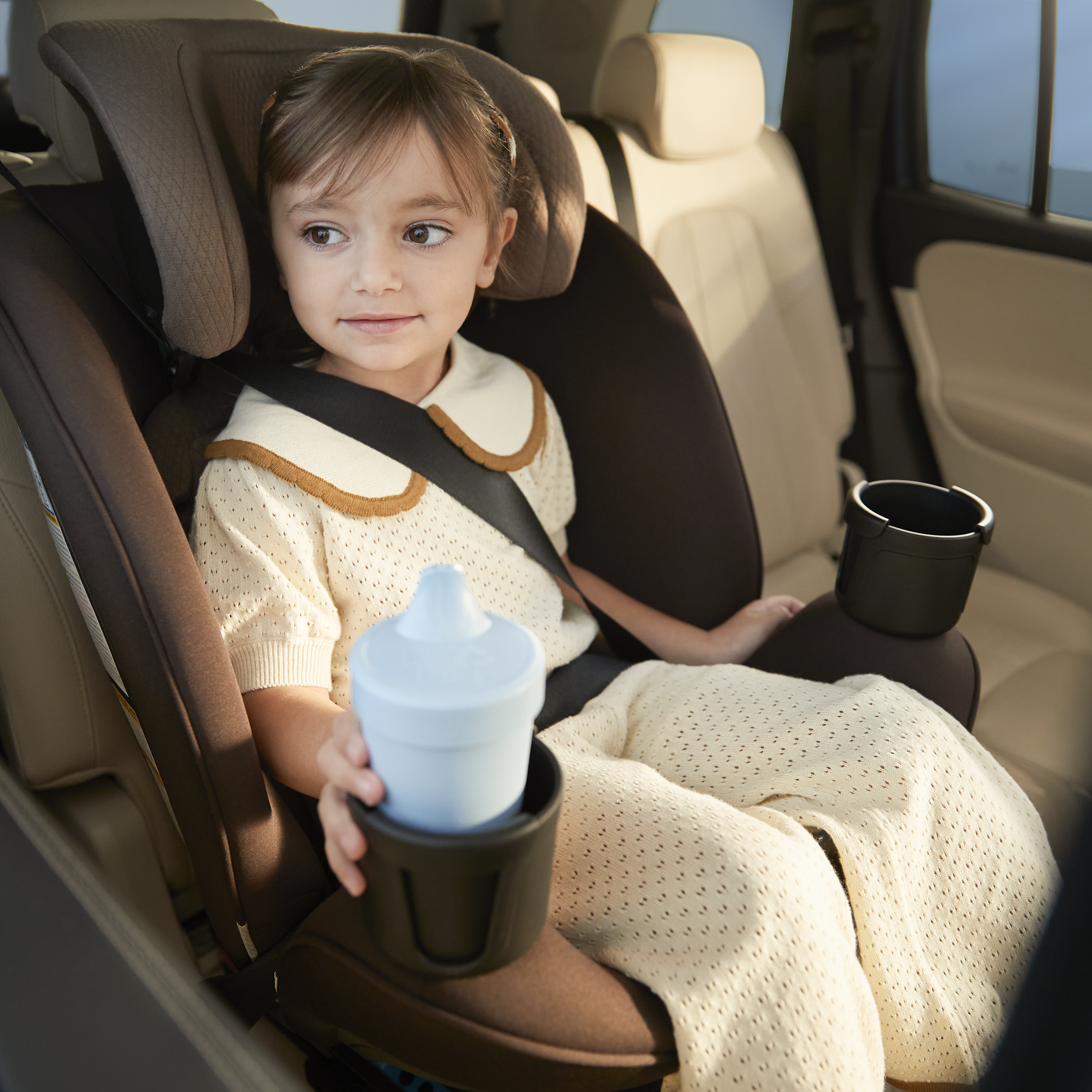
The Maxi-Cosi Sela is a first of its kind high end convertible carseat. Handling occupants from 5-100 lbs and featuring an innovative dual ended ISOFIX system for easy installation.
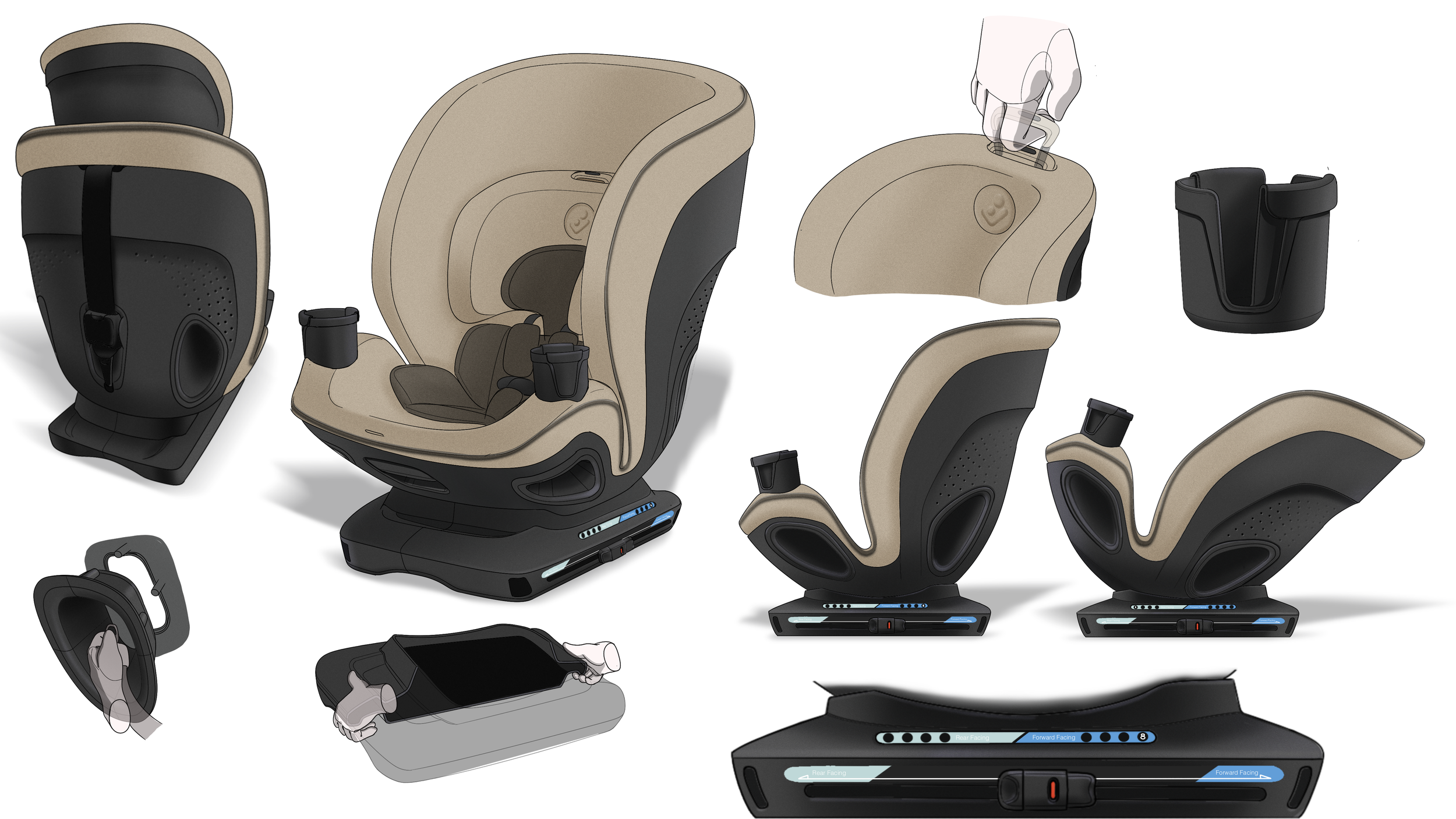
concept sketches
Aligning VBL
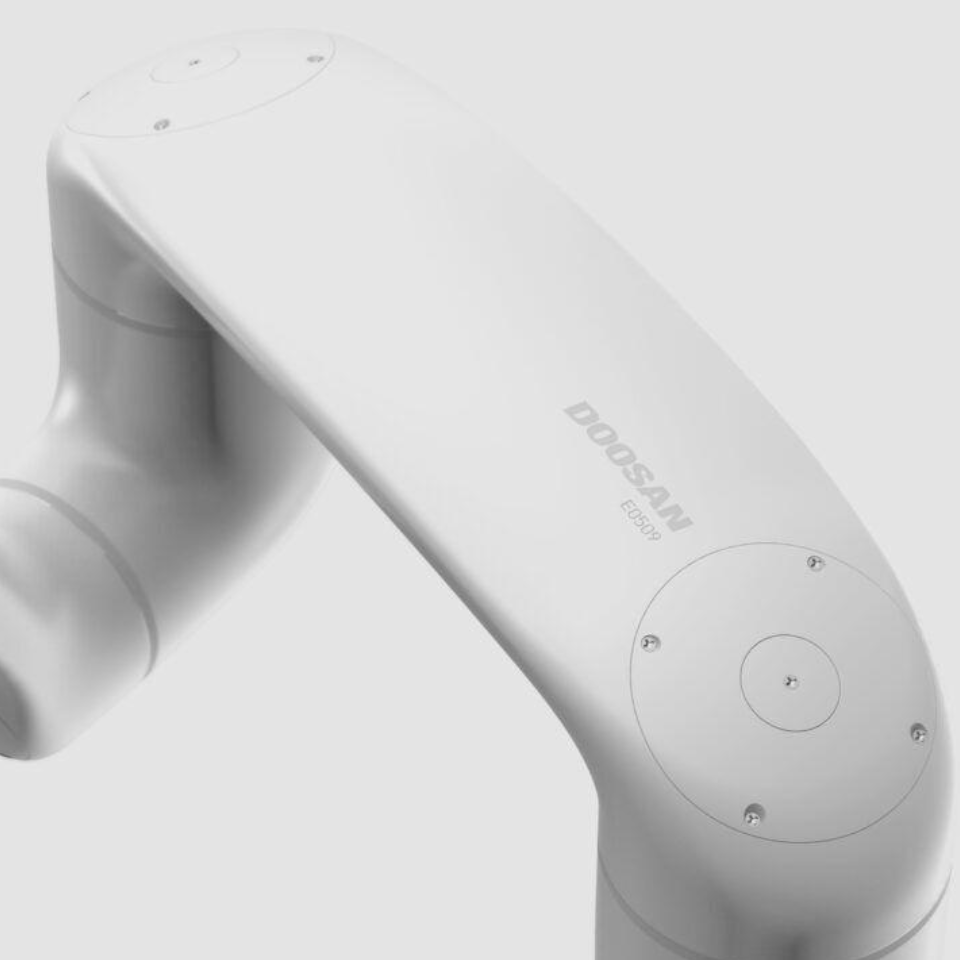
Visual Brand Language
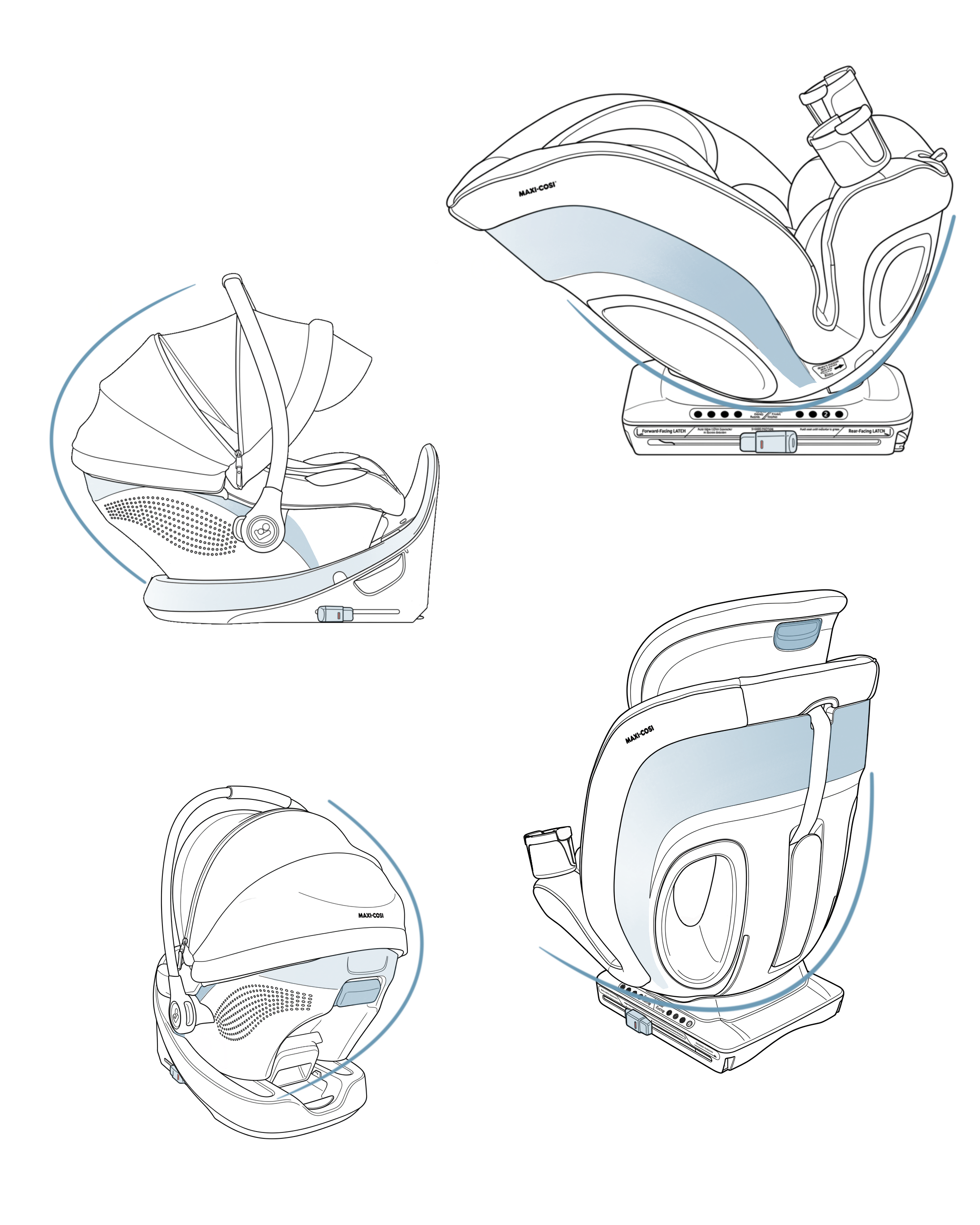
While developing this car seat I was also leading the design on the Ambra Infant Carrier. Since I was developing two new carseats for the Maxi-Cosi brand I (with the help of my design colleagues) tried to push the visual language of the brand in a few key ways.
-
Historically, the Maxi-Cosi brand was defined by smooth compound curves and puffed surfaces. As we tried to evolve the brand the overall silhouettes and major forms stayed curvy and round giving continuity to the brand and exuding a sense of cocooning safety.
-
Evolving the surface detailing was a key focus, pushing similar details on both the Ambra and the Sela. Both feature a similar slabby band of surface accentuating the cocooning protective form toward the head area. This tapering trails across the form in a similar compound curve and the visual detail washes out with a dune or wave shape into the major portion of the surface. IT is also echoed in the Ambra base.
-
Luxury doesn’t need to yell, it should be subtle. This was a key point I stuck to in the design of both products. Elegantly hiding functional details in easy to find places. Minimizing the need for clashing color by use of in tool texturing; polished accents to signify functional details and stippled texture on key grip areas.
-
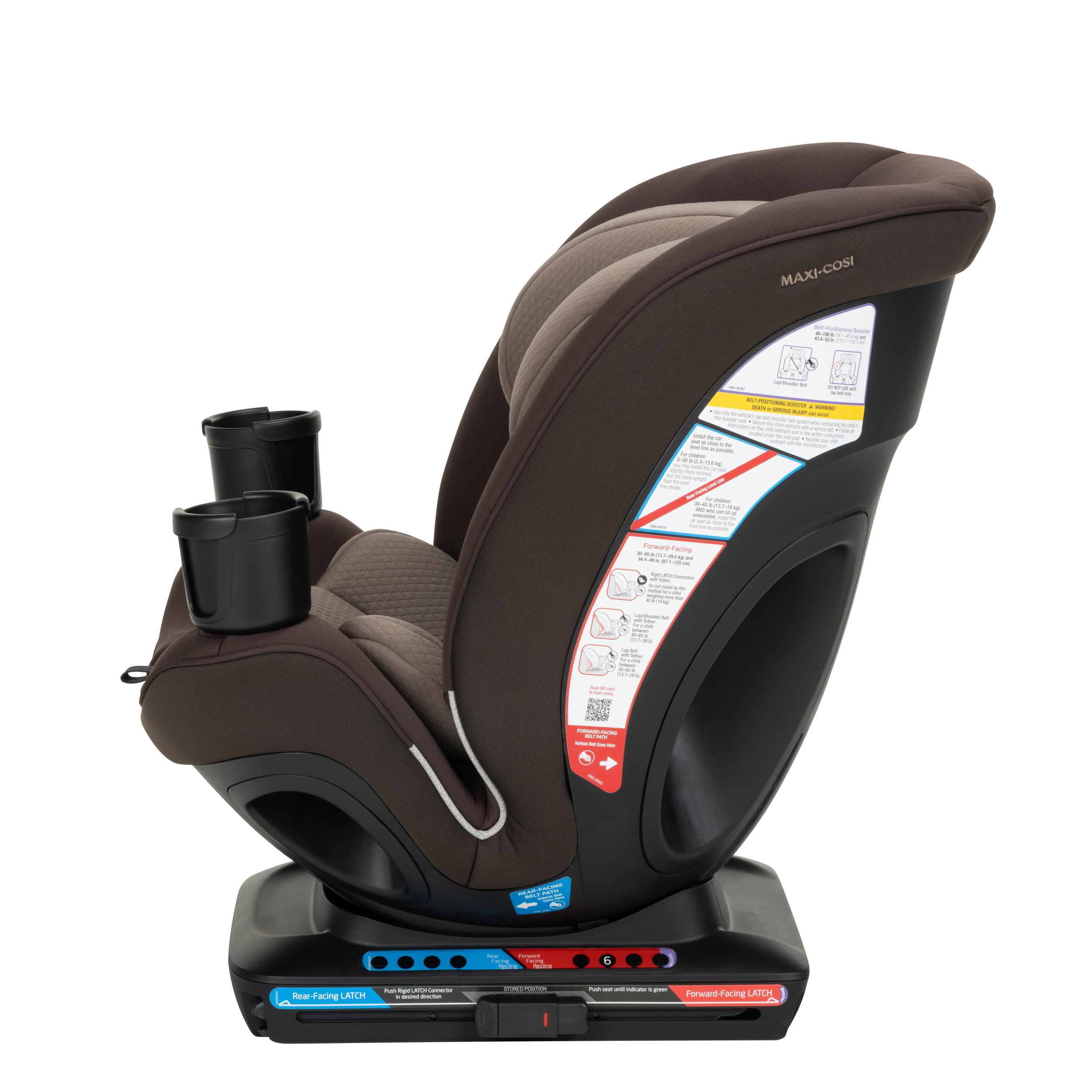
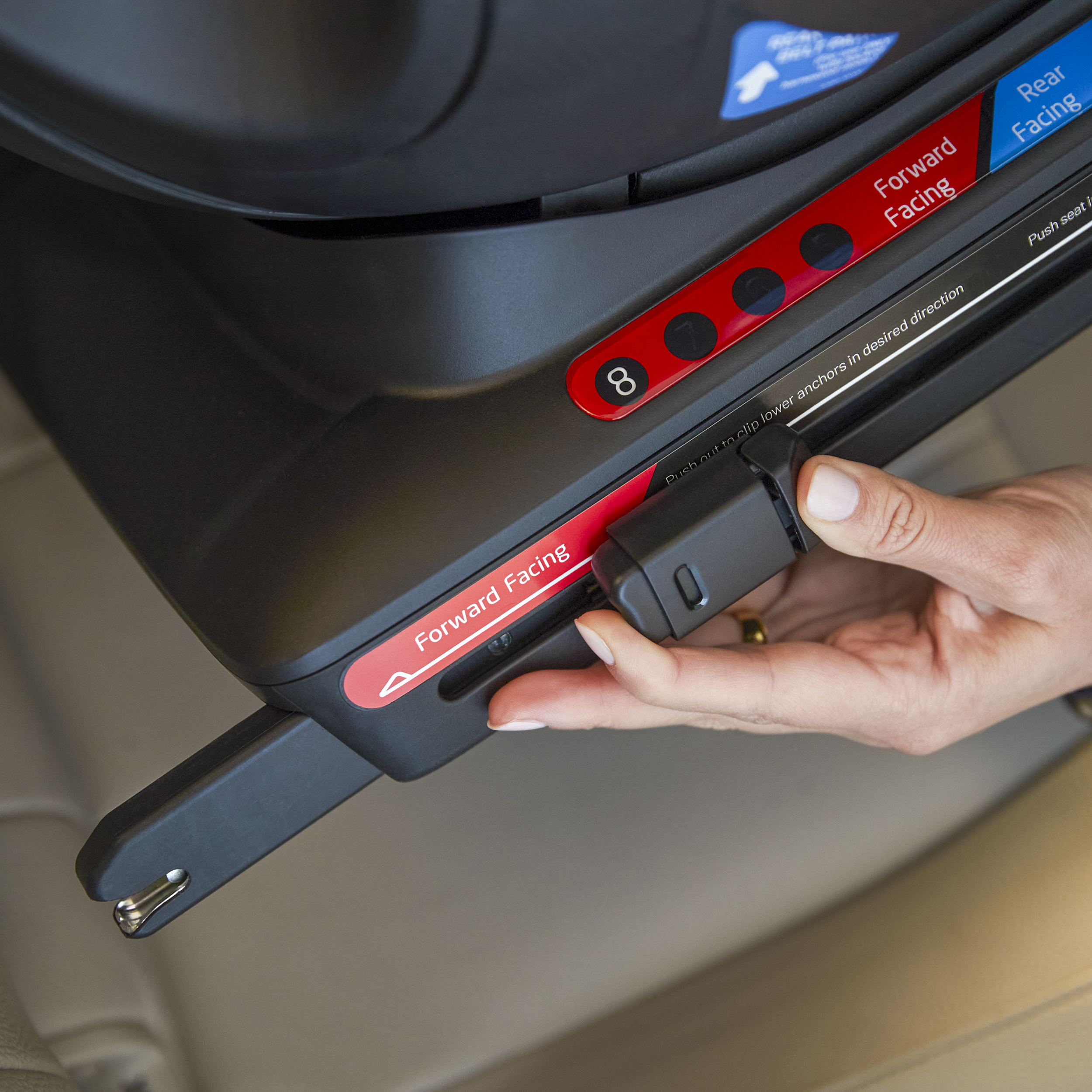
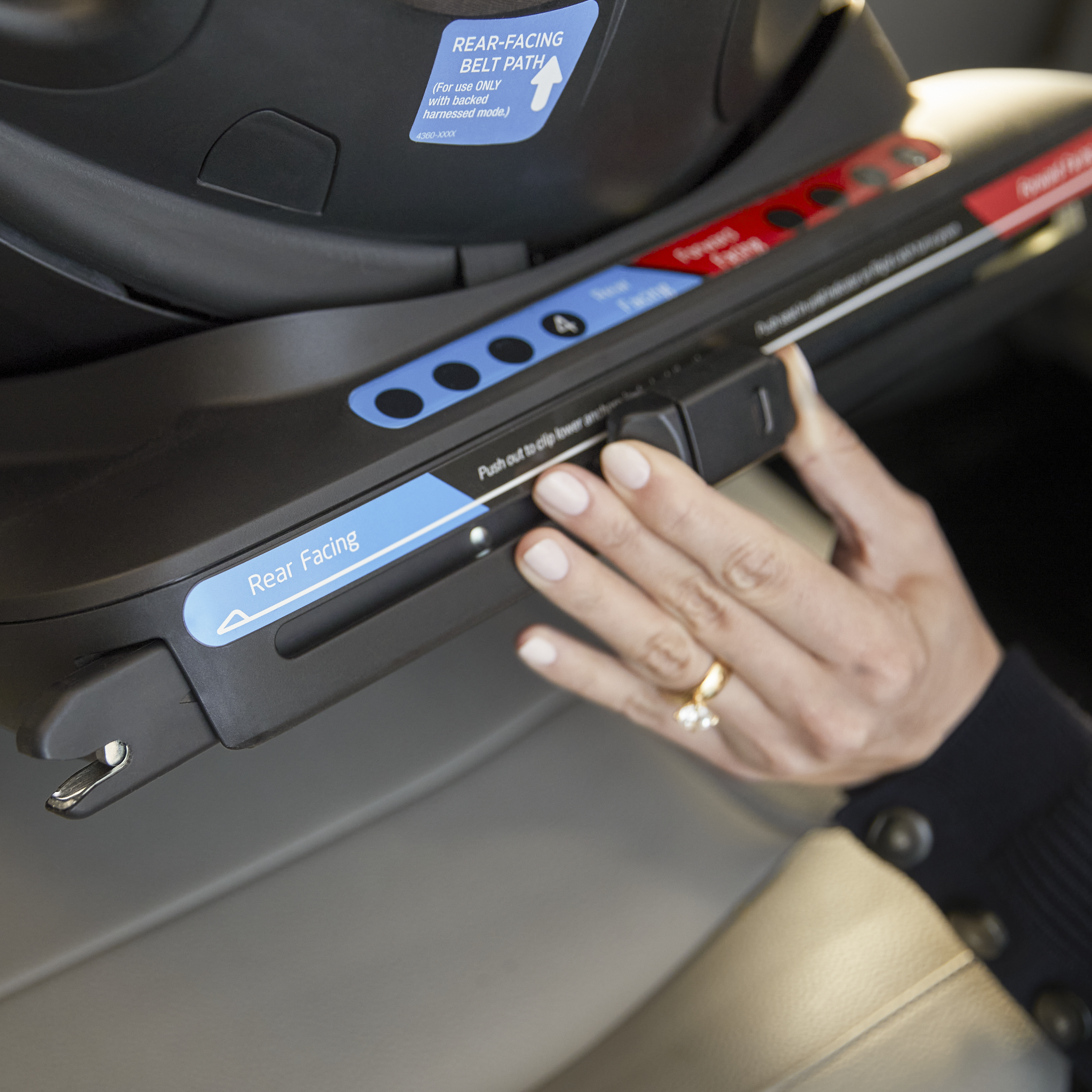
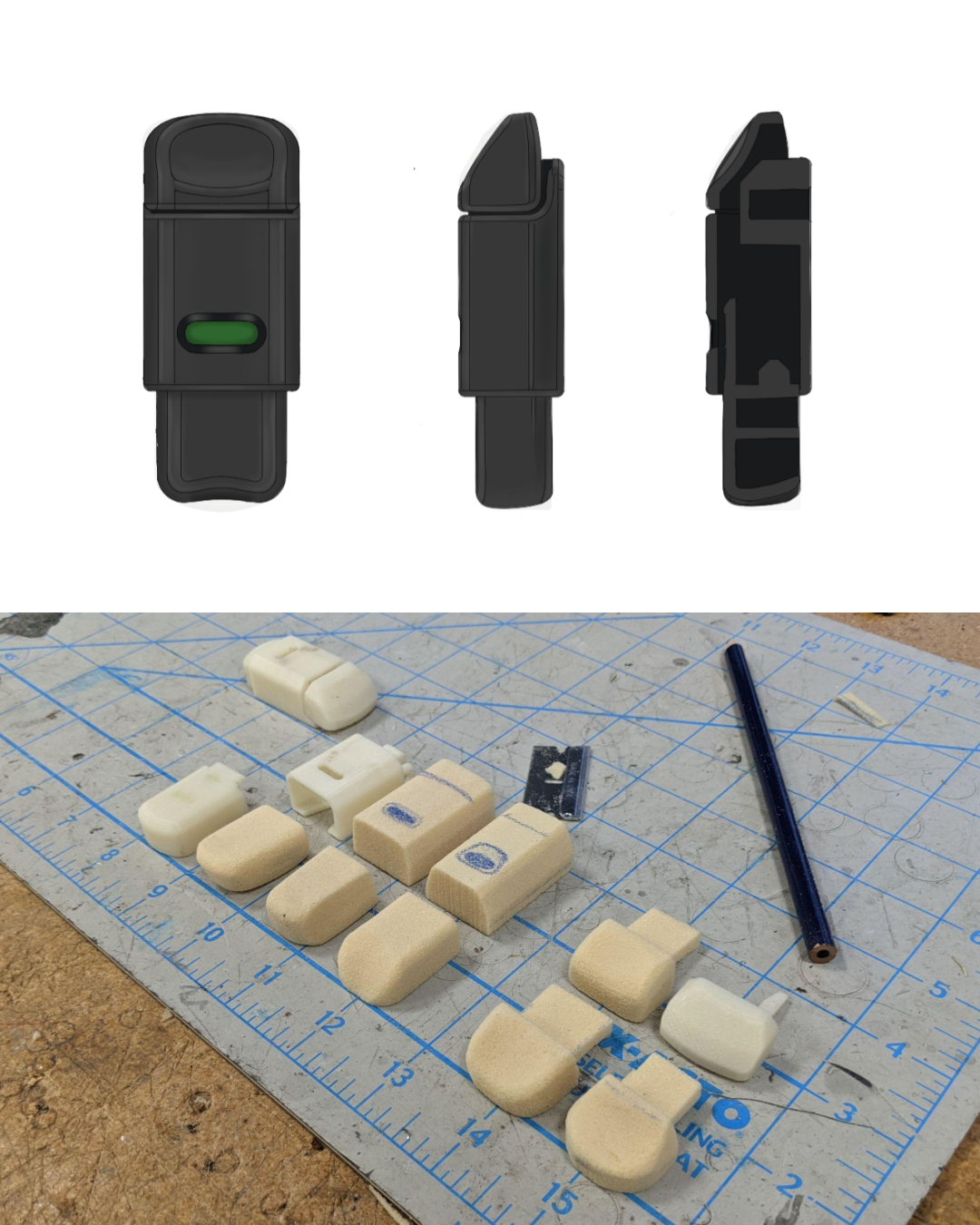
A key feature tying both products together is ease of install through use of a Rigid ISOFIX. Since both were being developed in tandem I took time to develop an ISOFIX housing which pulled in aesthetic elements of the brand and tied the two products together as well as adding a red to green indicator for an intuitive and simple installation.
Improving UX
Focus on User Experience
Throughout these projects a large focus was improving the user experience. The story that align both is a much easier and confident installation with the newly designed ISOFIX.
-
Car seat installation is notoriously frustrating and according to NHTSA incorrectly installed 48% of the time by parents.
-
The solution was to develop an ISOFIX installation for both platforms that gives parents confidence through an intuitive red green indicator.
Knowing we had begun development on the dual directional ISOFIX for another platform I was able to push for the first production example of this new concept.
-
I pushed for and focused on aligning the new ISOFIX housing with the wider maxi cosi VBL and an improved ergonomic experience that could be used across both platforms and used in the future.
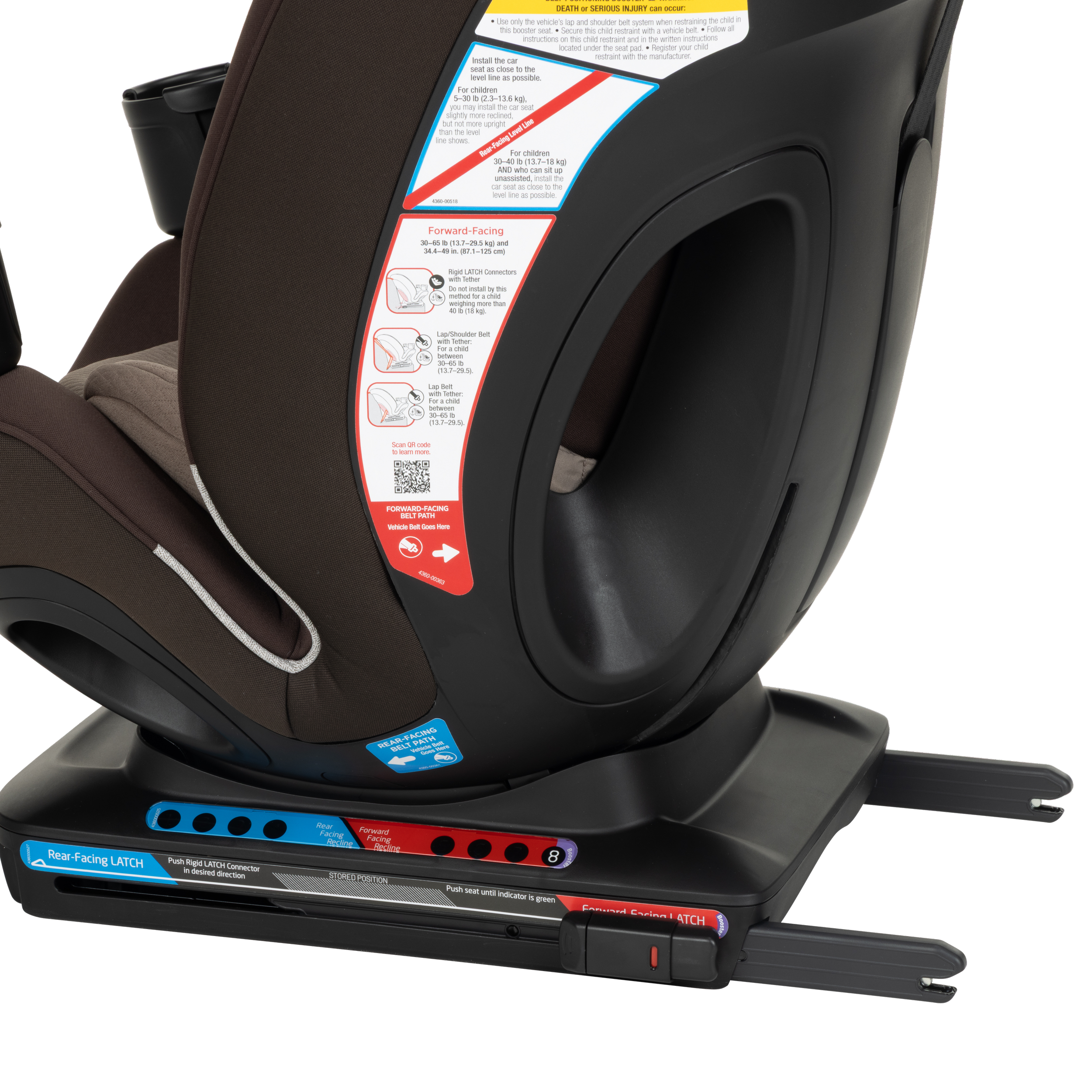
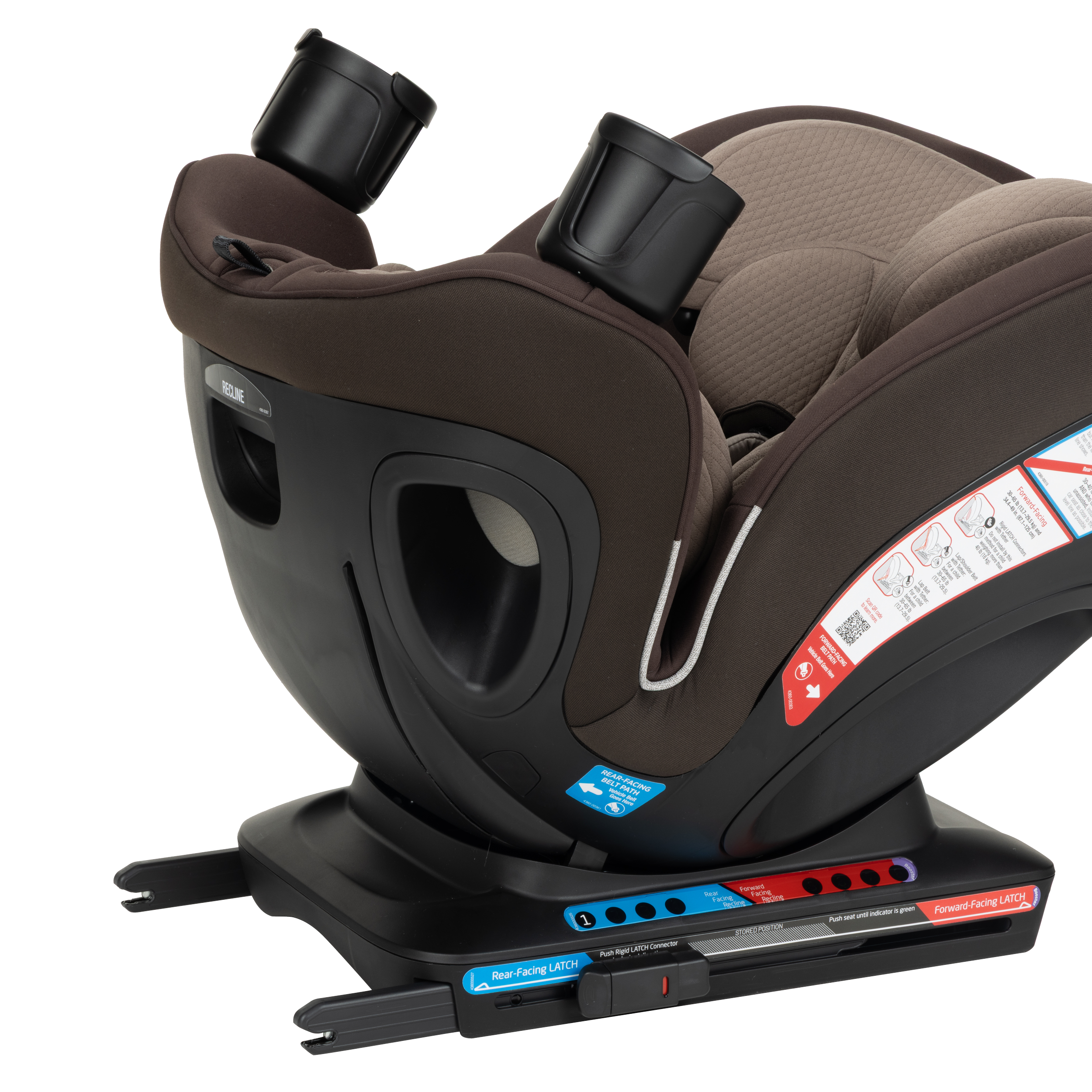
In the course of product development a few things always change these are some of the key developments from this project.
Development Notes
-
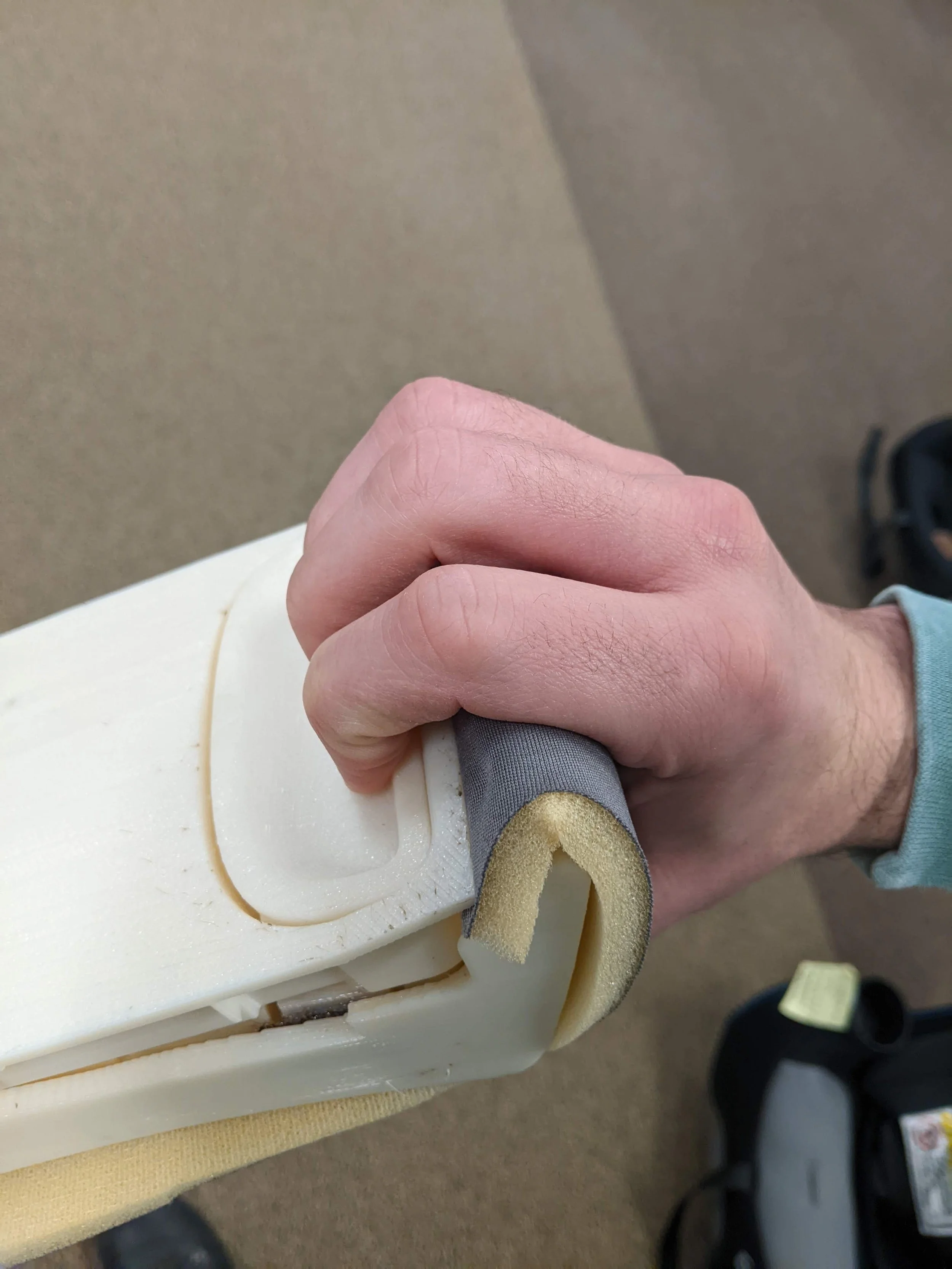
From the beginning the intention was to create a one hand adjust headrest actuator that was more visually subtle than previous platforms.
-
Over the course of the project the actuator developed from a loop pull to a hidden interaction at the back of the headrest. To achieve this I reached out to european engineering colleagues who had launched a seat with a similar interaction.
Headrest Adjustment
-
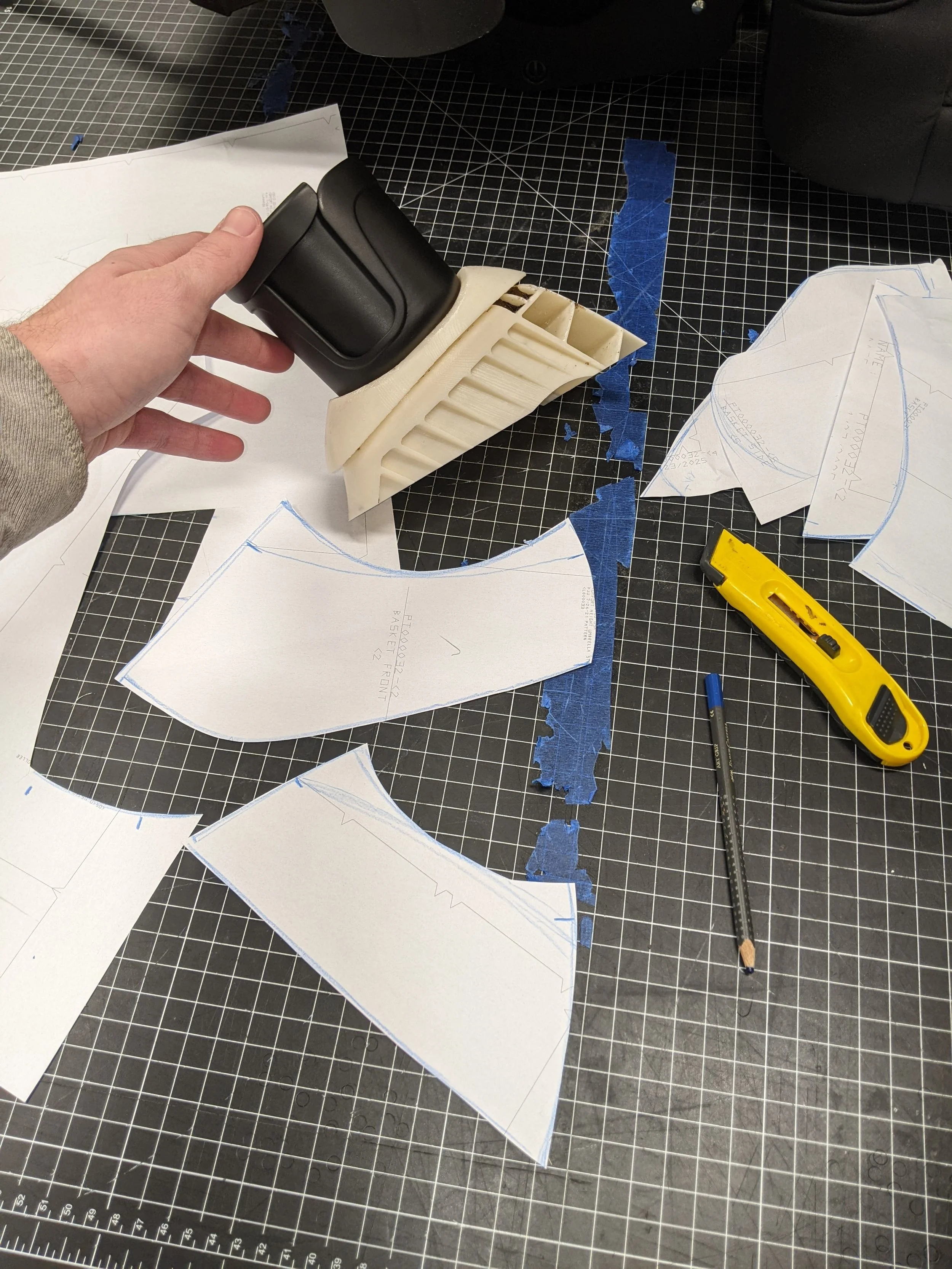
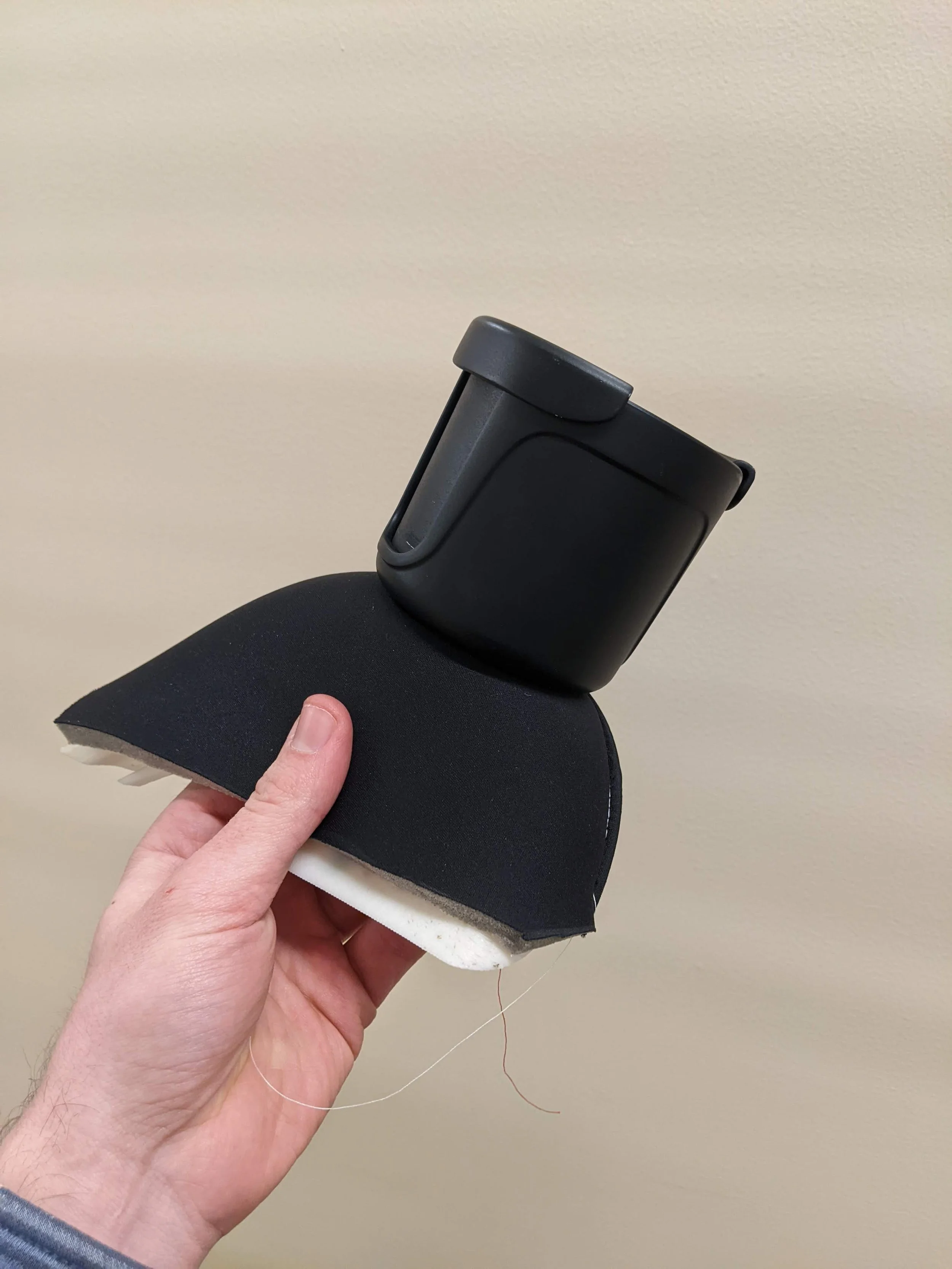
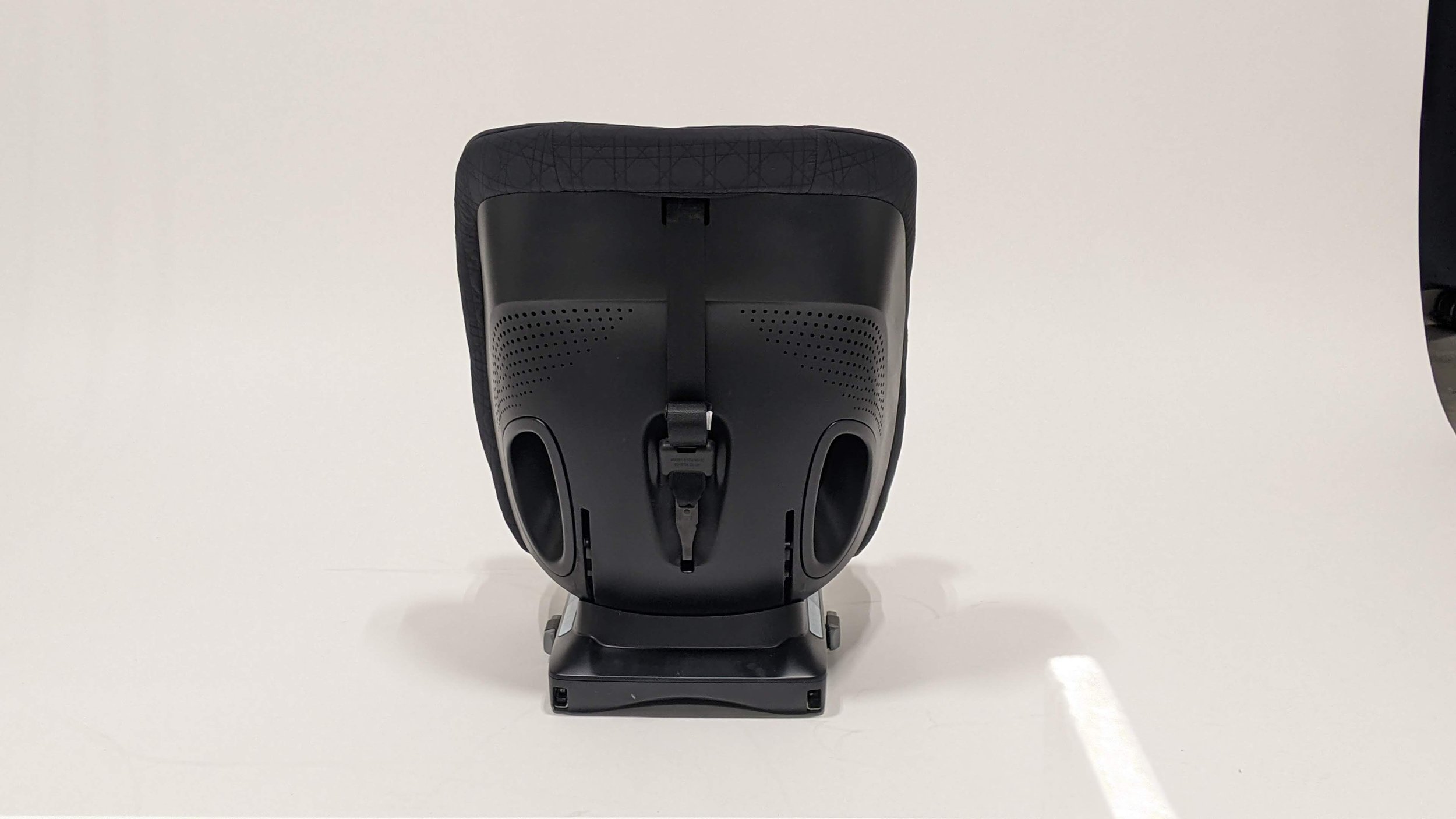
The cupholder was slightly nestled into the soft-goods initially. When the tool was already being cut we had to make a change.
-
To improve the soft-goods>cupholder look for a buyer quickly to catch a modification while the tool was being cut I printed a section and modeled some proposals and sewed up a few soft-good samples.
Cupholder Modification Sprint
-
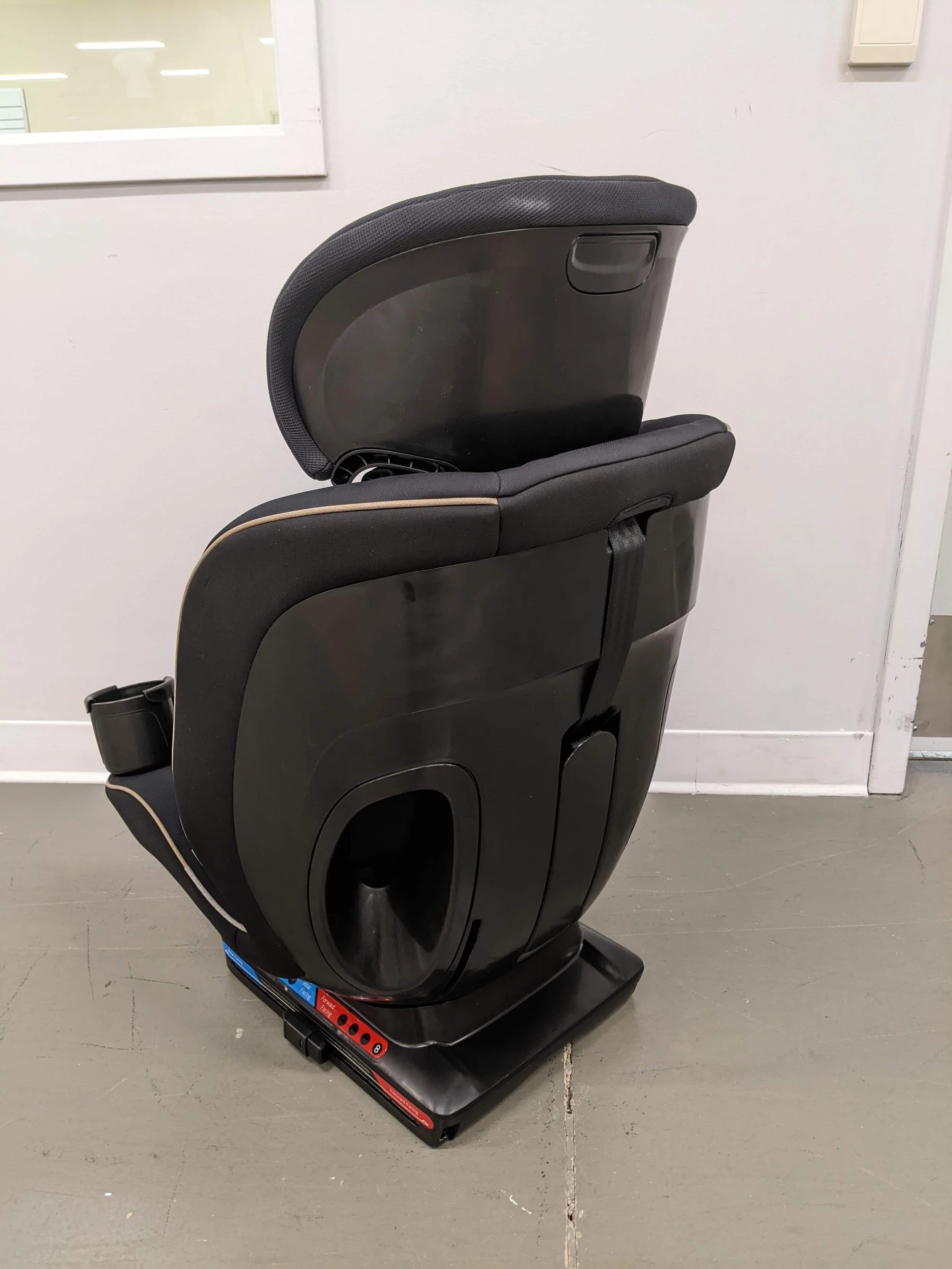
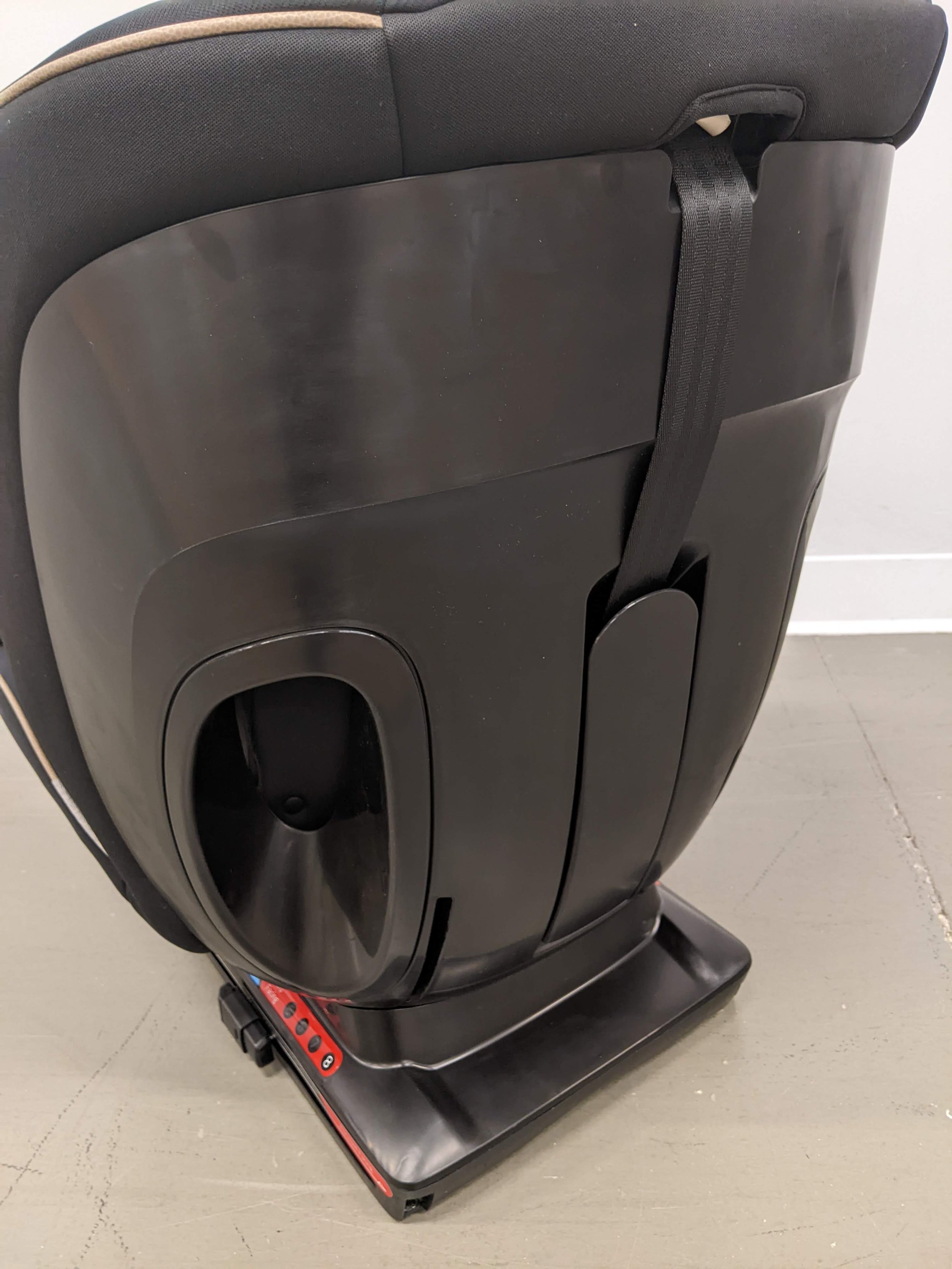
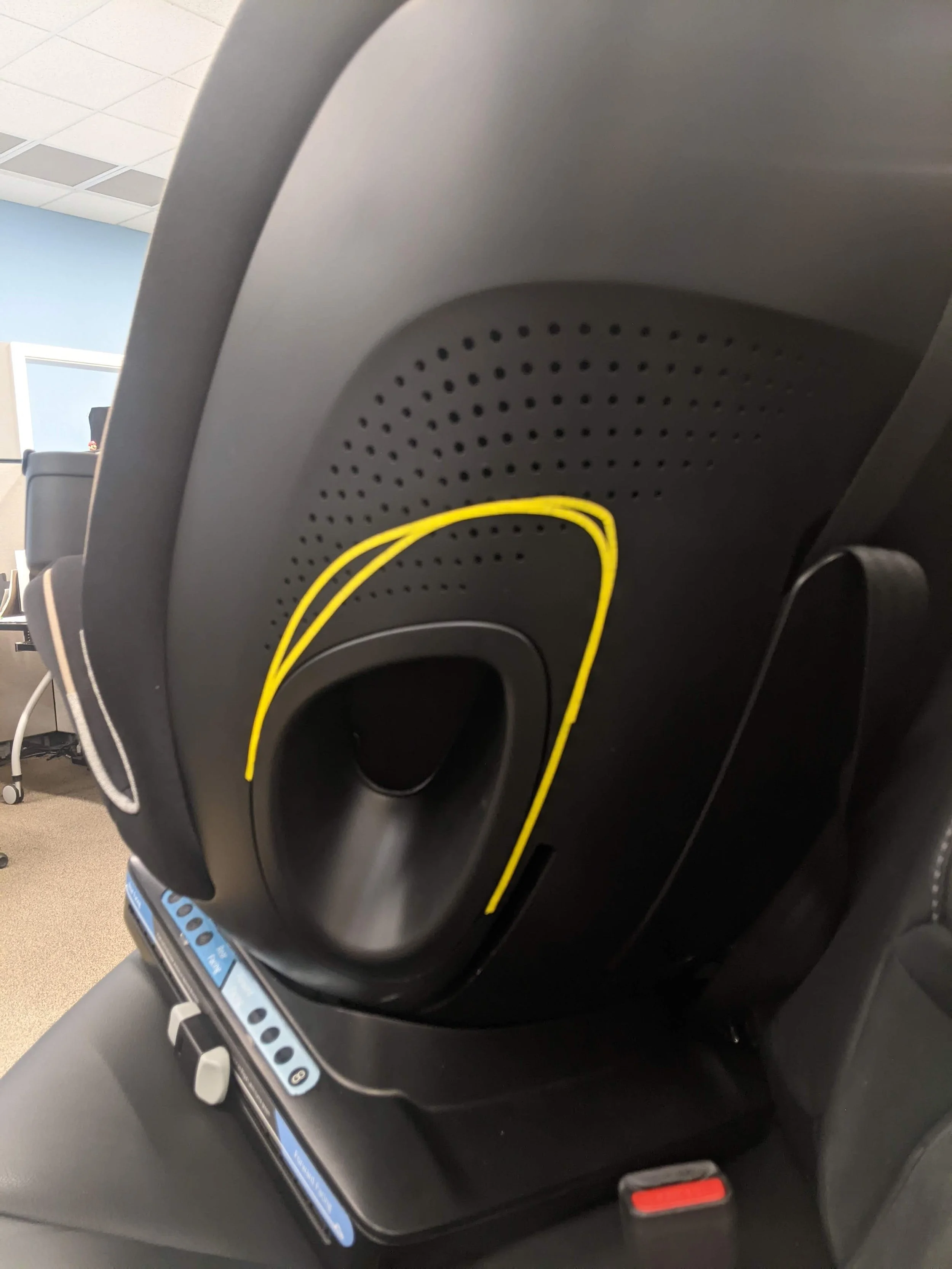
Initially tried to create a unique press fit surface detail on the shell to contain the tether and relate visually to other design details.
-
Eventually the team decided to move toward a storage door for a host of reasons. Minimize tuning and warp risks on large part, creates a hidden area soft-good tucking tool, scale relates better with updated large belt path.
Tether Storage Door
-
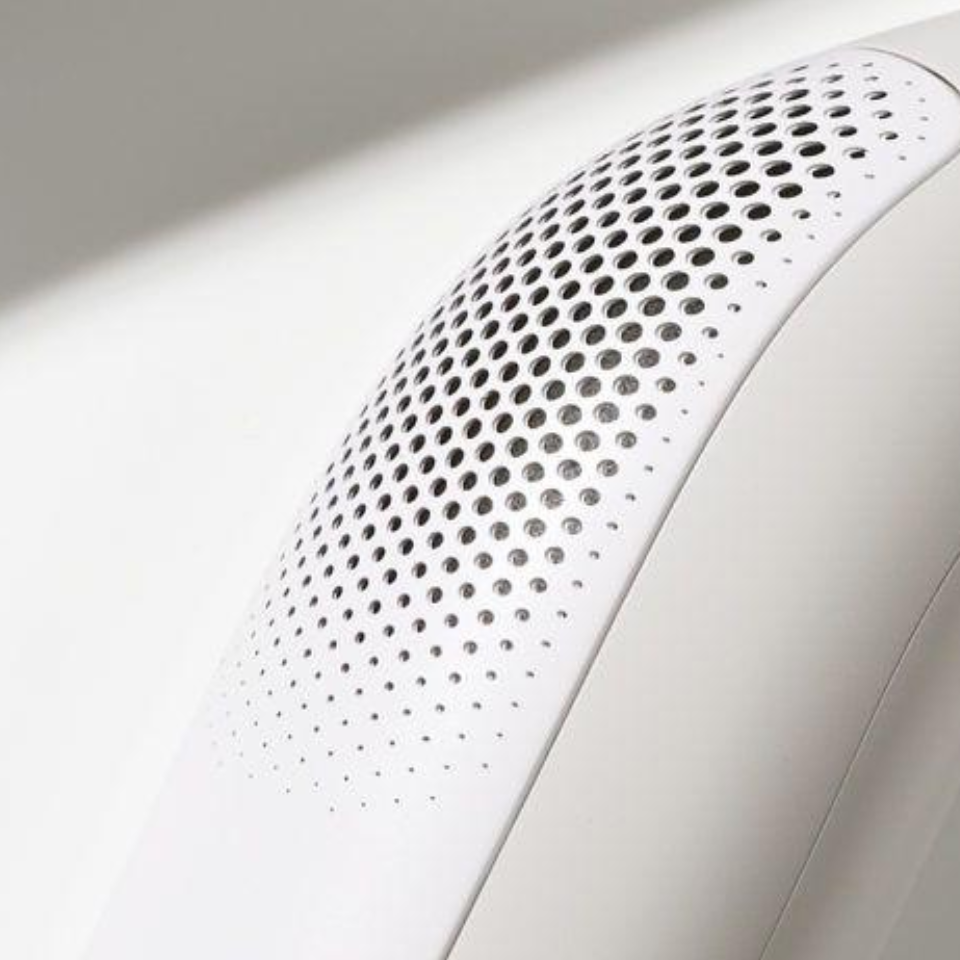
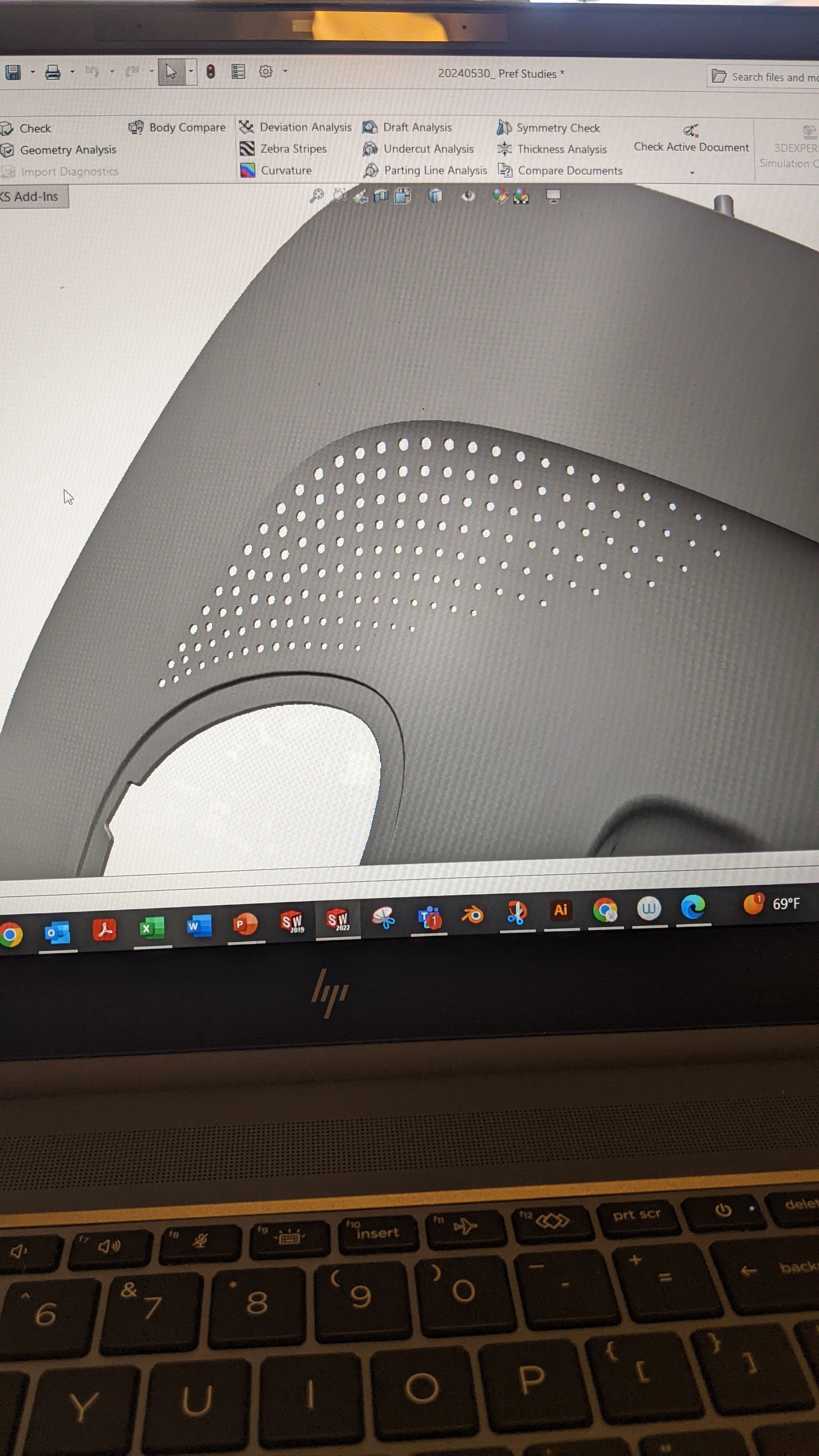
In the brief there was the desire to have climaflow ventilation on this platform. I developed the pattern in illustrator and brought into Solidworks to review/ refine with tool makers and engineers.
-
Eventually FEA data showed we needed to move the path of the FF belt path much higher so the ventilation was eliminated (visually) I think the large belt path makes up for it.
Lose Vents Increase Belt Paths